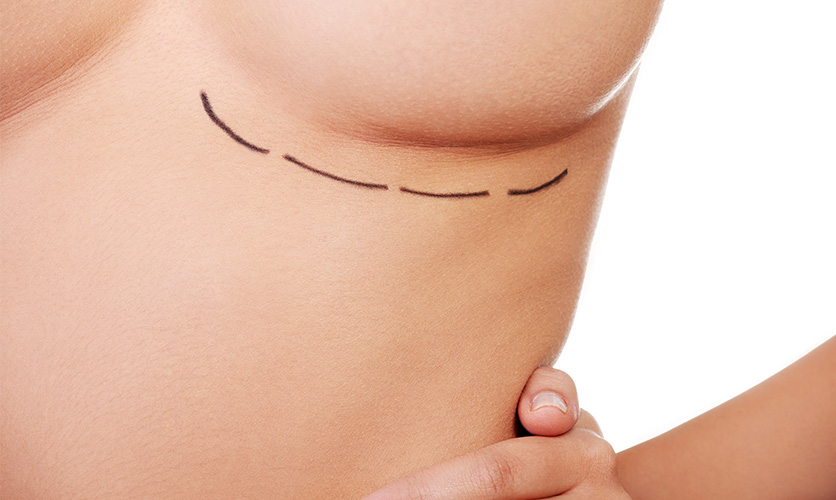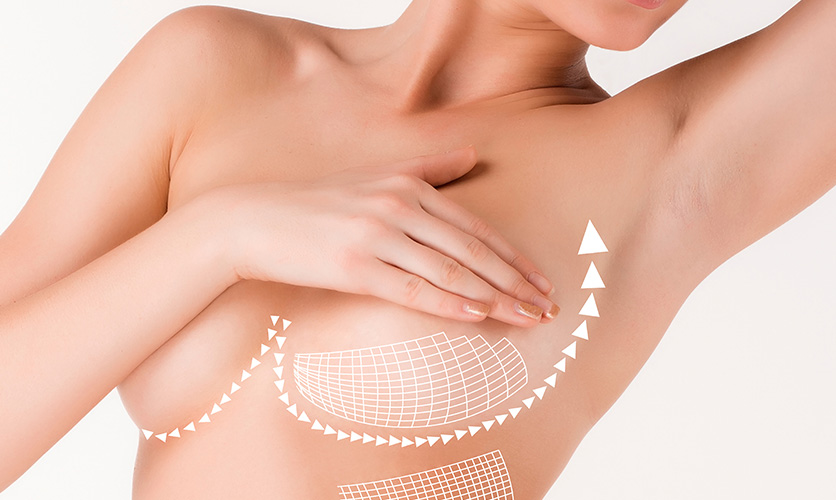
These are surgeries that are performed to collect and lift breast tissue that has been emptied and that has sagged over time due to advancing age, past births, and rapid and excessive weight loss. In line with the common idea of the person and his/her physician, it can also be performed in combination with breast augmentation surgery.
In breast lifting operations, the nipple is carried upwards using various techniques and the loose breast skin is cut and reshaped. Depending on the technique used, the size and shape of the scar will vary. However, the scars are planned to remain within the bra or bikini area, and they become vague after maturing in 6-12 months. The average operation time is 1.5-2 hours. It is not a type of operation with a very painful recovery process. The person can return to normal life in 2 to 3 days.
Frequently Asked Questions About Breast Lifting
Having accurate information about aesthetic and plastic surgery procedures is an important part of preparing consciously for the treatment process. In this section, you can find answers to the questions patients most frequently ask about preoperative preparation, recovery, surgical procedures and non-surgical aesthetic treatments.
The main aim of a lift is to reshape sagging breast tissue, address excess skin and move the nipple–areola complex to an appropriate position. The procedure primarily corrects position and shape; it does not provide a substantial increase in volume on its own.
An implant may be useful in patients who have lost breast volume after pregnancy, breastfeeding or weight loss and want upper-pole fullness. However, whether an implant is necessary is assessed according to existing breast volume and the patient's desired appearance, rather than the degree of sagging alone.
In suitable patients, yes. If there is enough breast tissue, it can be reshaped to create a balanced and natural breast contour. However, there are anatomical limits to the upper-pole fullness that can be achieved without implants.
Yes. Lifting the breast tissue and adding volume with an implant in the same operation create different forces on the tissues. Implant size and the surgical plan must therefore be selected carefully.
The patient's existing volume, excess skin, nipple position, tissue quality and desired upper-pole fullness are assessed together. The aim is to choose the method that meets the patient's needs, rather than to add an implant to every lift.